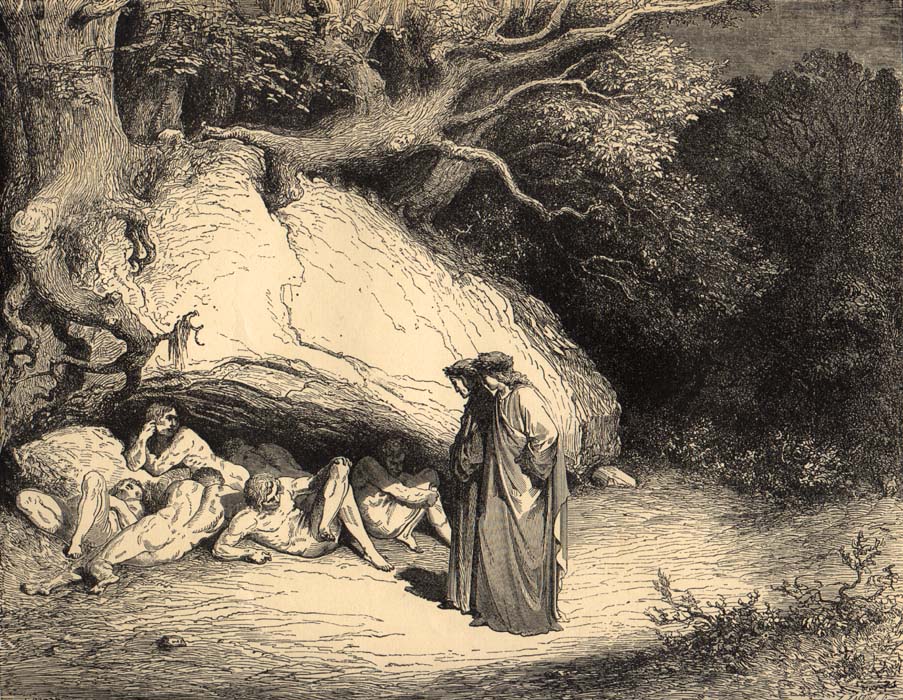
Limbo, the first circle of Hell in Dante Alighieri’s Inferno, serves as a complex and melancholy boundary between the damned and the righteous, hosting those who lived virtuous lives but lacked faith or baptism. Unlike the lower circles, which feature violent punishment and agonizing shrieks, Limbo is defined by "sighs of untormented grief". The souls here, including many from antiquity, are not subjected to physical torment but are instead confined to an eternal, wistful desire for God, burdened by the knowledge of their perpetual separation from Heaven.
The population of Limbo is vast, consisting primarily of "virtuous pagans"—great thinkers, philosophers, and heroes who lived before the birth of Christ—along with infants who died without receiving the sacrament of baptism. Virgil, Dante’s guide, resides here and explains that these individuals did not commit willful sins, but their lack of faith prohibits them from entering Paradise. Notable figures found within this region include Homer, Socrates, Plato, Aristotle, and Julius Caesar.
Dante’s depiction of Limbo highlights a crucial theological, and perhaps personal, dilemma regarding salvation. By placing virtuous individuals like Virgil in Hell, Dante shows the rigidity of divine justice as he understood it, while simultaneously showing immense reverence for classical antiquity. He also notes the "Harrowing of Hell," when Christ, following his crucifixion, descended to Limbo to liberate Old Testament figures such as Abraham and Moses, bringing them to heaven. This historical event underscores that Limbo is generally a permanent, unchanging state for those not saved, making it a place of eternal "sorrow without suffering".
The Castle
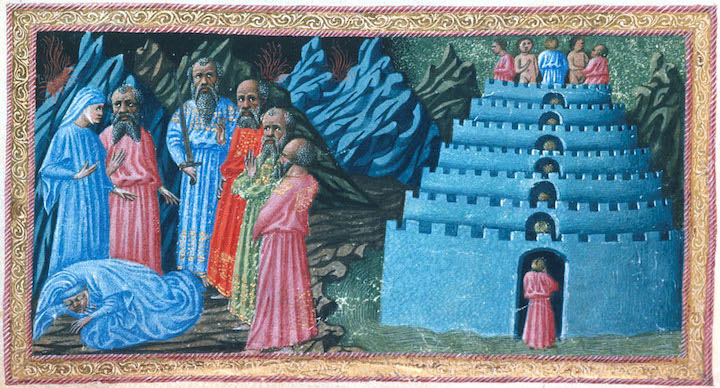
The "Noble Castle" stands as the most prominent feature of Limbo, the first circle of Hell, which houses the virtuous pagans and unbaptized souls. Unlike the gloomy, sighing, and foggy woodland that constitutes the outer part of Limbo, this castle is a luminous, "luminous and lofty" structure surrounded by seven high walls and a "sparkling tide" or "fair rivulet" that Dante passes over as if it were dry ground. It is a place specifically designated for the great minds, heroes, and poets of antiquity—those who lived worthy lives but died before Christ or were not baptized, thus lacking faith.
The seven walls surrounding the noble castle are generally interpreted as symbols of the Seven Liberal Arts—grammar, logic, rhetoric, geometry, astronomy, arithmetic, and music—or alternatively, the seven Virtues. Inside, Dante describes an emerald green meadow where the souls walk with "solemn eyes and slow," possessing great authority in their demeanor. This area represents the pinnacle of human achievement, intellectual wisdom, and moral virtue, yet it is ultimately a "beautiful illusion" and a "defective form of heaven" because it lacks the grace of God. The inhabitants, such as Aristotle, Homer, Socrates, and Plato, are not subjected to physical torment, but they suffer from "desire without hope," forever yearning for a salvation they can never attain.
Dante’s depiction of the castle highlights a complex blend of admiration and theological rigidness. He pays profound respect to these pagan scholars, even ranking himself as the sixth among the greatest poets, yet he firmly places them within the confines of Hell because they lack Christian faith. The castle is a "place of sorrow without torment," and its quiet, scholarly atmosphere contrasts sharply with the violent punishments in the deeper circles. Ultimately, the castle of Limbo represents a "noble" but "suspended" existence, serving as a testament to the limitations of human reason and morality when separated from divine revelation.